Malaysia

It is Durian season!

If you ever want to visit the moon, forget NASA—you just need to head to my hometown in the east of Malaysia, my host says. And that’s where the confusion begins. There’s an east, west, north, and south Malaysia—so far, so good—but then you also get an east of western Malaysia and a south… or maybe there isn’t? The longer we talked about it, the more tangled my brain got. But one thing’s clear: to see the moon, you’ve got to go east.

The roads there are so bumpy they’ll give you a lunar experience without the zero gravity—moon crater vibes, anyone? Plus, we’ve got the best noodles around! And trust me, they’re so good that even someone in my group chimed in, “You can’t find these anywhere else, not even in Kuala Lumpur!” We’re seriously considering starting an eastern noodle restaurant chain. The soup has the perfect blend of spices and a mysterious white-to-greyish hue that’s just as unique as the noodles, which, by the way, are a local Sabah specialty with Javanese roots.

And did I mention we have the tallest mountain in the country? It’s a whopping 400 meters! …Oh, wait, I Googled it—turns out it’s 4000 meters! The mountain is called Mount Kinabalu, and it’s like a giant canine tooth sticking up out of the earth. An earthquake recently gave it a bit of a makeover, which oddly enough reminded me of my first big project in vet school about canine fractures in police dogs. Those dogs bite with such force that their teeth often break, which, having been to the dentist for a broken molar myself, I can totally relate to. Fixing those teeth is tough—almost as tough as climbing that mountain!

Now, Malaysia’s got around 1.3 million cats and 700,000 dogs, which is pretty standard for a predominantly Muslim country. More cats than dogs, naturally. But I’m here to chat about something close to my heart: our perfect diets for common cat diseases, especially GI disease and megacolon. Megacolon, by the way, is a condition where the colon becomes abnormally enlarged and loses its ability to properly contract, leading to severe constipation or a complete blockage. This often results in a build-up of hard, dry feces, making it difficult and painful for the cat to pass stool. If left untreated, it can lead to serious health issues and may require surgical intervention in severe cases. Nutrition is absolutely crucial in the early stages of this disease and after the surgery.

The east of the west side, Malaysia is gorgeous

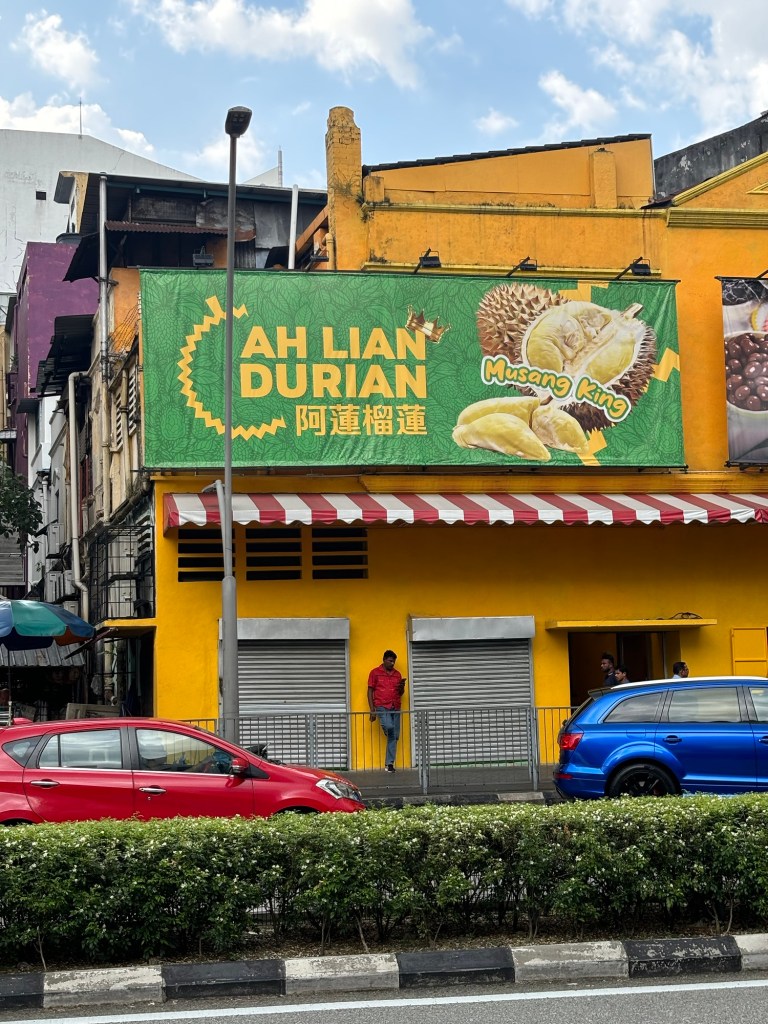
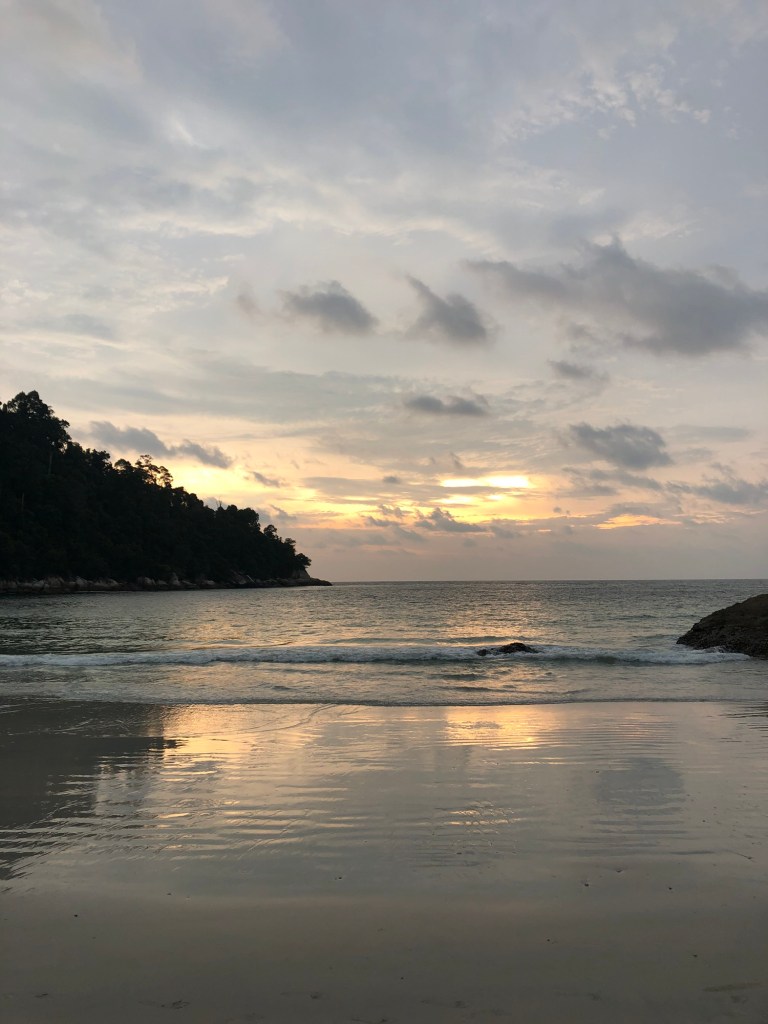
But let’s noodle back to noodles. Every region in Malaysia has its own noodle specialty. The northern part (of the west, I think?) is famous for its food with Thai influences, including Laksa. Down south, near Singapore, they’re known for Otak-Otak—a fish cake wrapped in banana leaves with a taste that’s simply chef’s kiss. And the eastern part of the west is all about beaches and the infamous king of fruits, Durian.

Oh yes, it’s durian season now, so the markets are filled with that delightful aroma of… raging diarrhea? People say that if you can ignore the smell, it tastes divine. I’m still working on that one. For now, this forbidden fruit remains firmly forbidden for me!

Indonesia

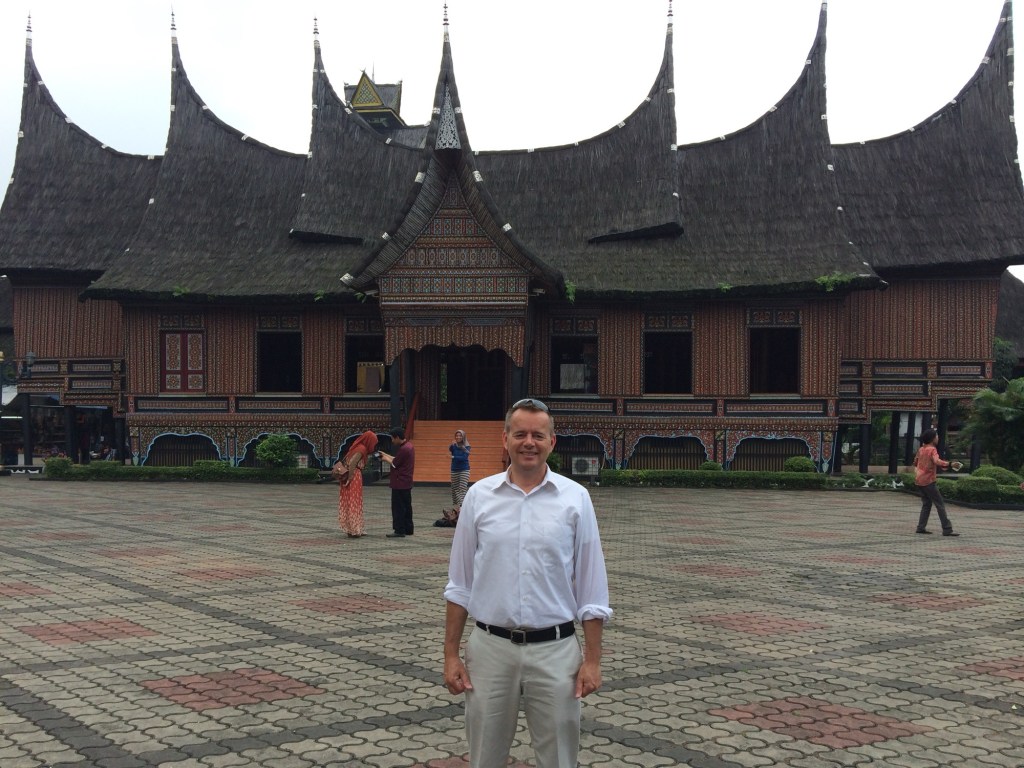
Ok this was 10 years ago 😂

Traveling the world can lead to some pretty hilarious moments of lost-in-translation mishaps. Picture this: I’m jetting from Kansas City, making pit stops in Denver and Tokyo before finally heading to Jakarta, Indonesia. Right before we took off, our lead flight attendant gave the usual spiel to stow our stuff and buckle up. But then she said, “Let us take care of your gadget, when it gets lost!” I nearly lost it laughing. Clearly, she meant those times when your phone gets wedged in the seat, and people go full-on MacGyver trying to fish it out—only to end up destroying the poor thing. She even added, “Please let the professionals touch your gadget.” It instantly reminded me of the movie Lost in Translation. I loved that movie… well, the part I saw, since my old-school CD always got stuck at the same spot.

Touching down at Jakarta’s Soekarno-Hatta International Airport was a shocker—super modern, huge, and it felt like I walked a marathon just to get to immigration. Thanks to a runway closure in Tokyo, I arrived at 1 PM, a bit later than planned. And boy, did I have a wait at immigration! It wasn’t so much the number of people, but the fact that the passengers from the Korean flight ahead of me hadn’t realized they needed an e-visa. Watching them fumble through Google Translate with the officers was something else. But hey, the bright side? No traffic jams at 2:30 AM!

Indonesia holds a special place in my heart. Back in 1935, my grandmother’s brother moved there and became a renowned painter (I like to think I inherited his artistic genes). He soon convinced his sister to join him, which led to my mom being born on Indonesian soil. My roots are forever intertwined with this beautiful country, home to over 17,000 islands, hundreds of languages, and countless traditions. This was my second trip back, and both times, I’ve been warmly welcomed by a family I’ve come to love over the past decade. The memories of my grandmother were strong, especially since she lived through the war here. Despite the hardships, she always spoke fondly of Indonesia and its people. My mom carried that love forward, cooking Indonesian food whenever my dad wasn’t around—he couldn’t handle the spice! If you ever find yourself in Holland, skip the Dutch food (trust me) and dive into the Indonesian cuisine. It’s absolutely divine.

As we drove into Jakarta, giant billboards welcomed me. One featured Natasha, a striking beauty promoting a dermatology clinic—one of many in the city, it seems. Honestly, Natasha doesn’t look like she needs any work done. Me, on the other hand, might consider a visit, especially since the wait times in the U.S. are six months. Then it hit me—we were driving on the left side of the road! A leftover from English influence, perhaps? Speaking of which, I’m not exactly proud of what the Dutch did in Indonesia, even if my friend pointed out some Dutch-designed infrastructure. Indonesia gained its independence in 1945, and the people here have been nothing short of wonderful.

My mom and grandmother lived in Jakarta, and on my last visit, I tried to find their old house. I didn’t have much luck, but I did feel this weird connection as we drove through the streets where my ancestors once walked. Jakarta has changed so much since then, now home to around 13 million people, leading to major traffic and pollution issues. With just a two-day visit, I was back at the airport before I could even catch my breath. Between giving lectures and battling jet lag, time became a blur. On the way to the airport, we got stuck in traffic—apparently, someone decided to set fire to a highway ramp, and things got a little out of control. As we sat there, an emergency vehicle passed us—a yellow pick up truck with a siren blaring and a guy in the back frantically waving a red flag. “Welcome to Indonesia,” my host said with a grin, “we do things a bit differently here.”

Kansas Cows

I had nothing to do with cows. Growing up, cows were a distant idea, something I saw in passing fields. My real introduction to these bovine creatures came during high school when I joined a local veterinarian on some externships. That experience shifted my dreams from becoming a fighter pilot to aspiring to be a veterinarian. But fate has its quirks. At 18, despite my good grades, I was unlucky in the lottery system used for veterinary school admissions. So, I decided to study history and had the best gap year ever—little studying and lots of fun extracurricular activities.

The next year, luck smiled on me, and I finally got into veterinary school. That’s when my interest in cows really took off. I even took a course on cow hoof trimming in the Netherlands, although waking up at 3 am wasn’t my favorite. Despite my burgeoning passion for cows, I decided to be practical and focused on small animals instead.

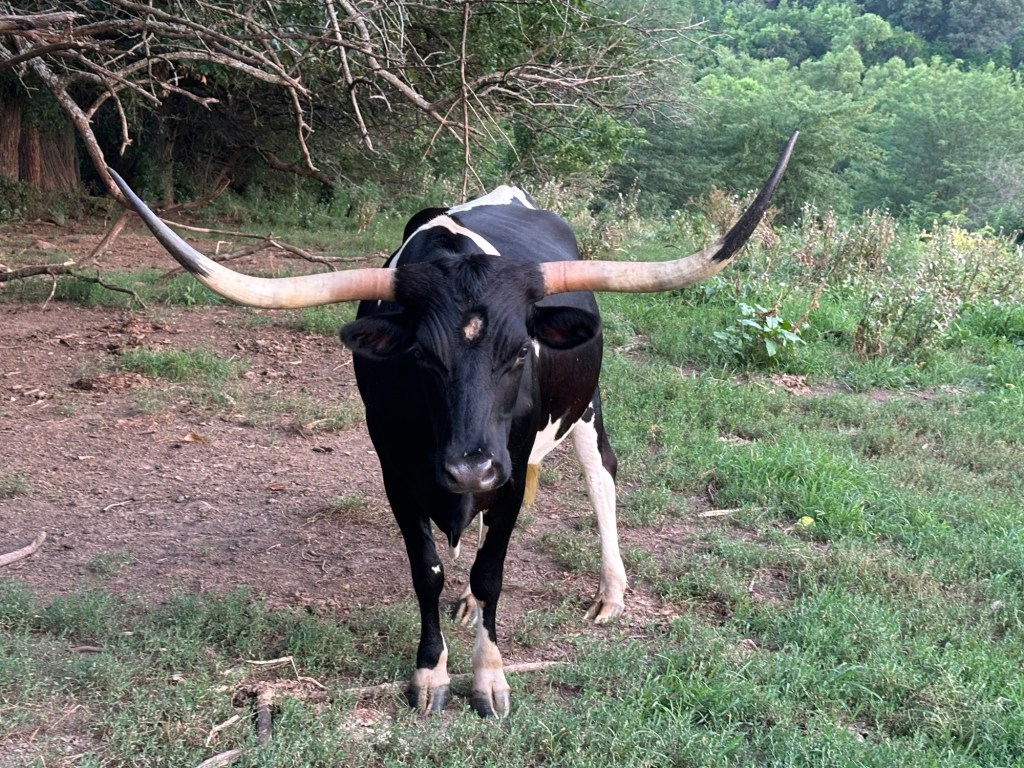
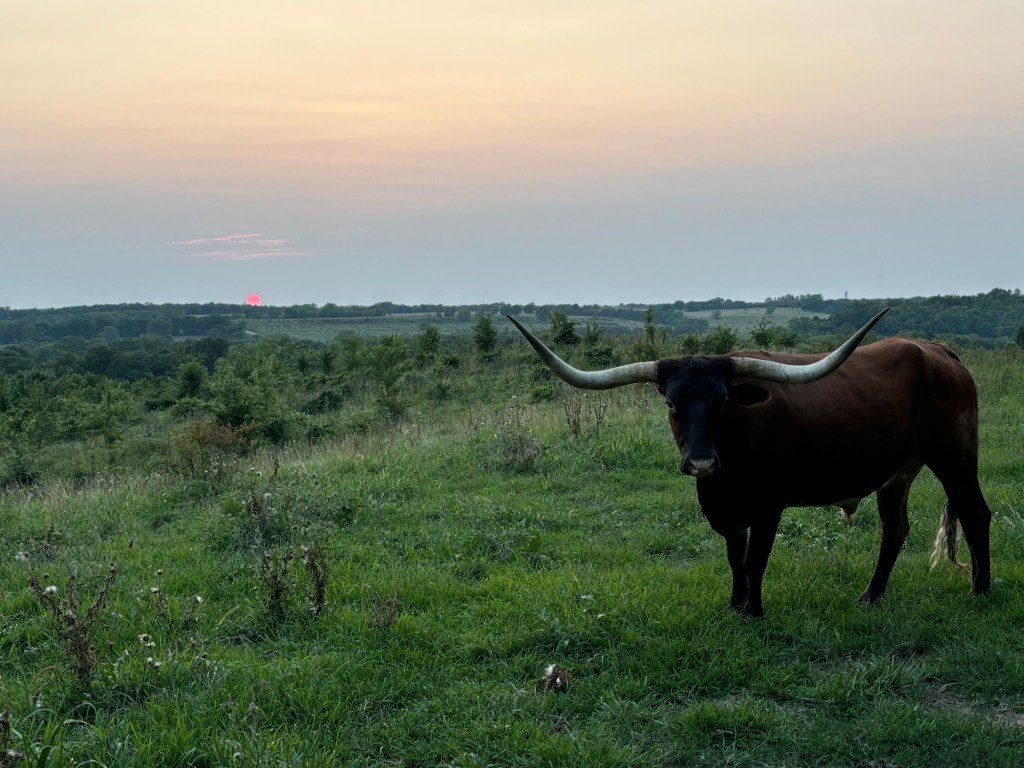
Fast forward fifty years, and I found myself on a farm in the middle of nowhere in Kansas. This place, with its log cabin reminiscent of Yellowstone, had been in the owner’s family for over 180 years and was now a popular wedding venue. Off the grid in every sense—no phone or internet—this farm had 81 Texas Longhorns, not counting the calves. The owner was always talking about reducing the herd, but it only seemed to grow.

One memorable event involved the cows breaking out of their pasture and mingling with a wedding party, much to the initial alarm but eventual delight of the guests. The groom took it in stride, creating what he claimed were the best wedding photos ever. Eventually, the owner decided to cull the herd, calling a neighbor to take away most of the cows. But her resolve wavered, and each day the number she wanted to keep increased until she gave up on the idea entirely.

Texas Longhorns are fascinating creatures. Their horns can span over eight feet, and their diverse coloring means no two are alike. They thrive in hot weather and can endure cold winters, needing only holes cut in the ice for drinking during freezing temperatures. Descended from cattle brought by Spanish conquistadors, they are resilient and well-suited to the Kansas climate.

Driving back on the dusty roads of the Kansas Flint Hills, I couldn’t help but reflect on my almost-cow career. It may not have brought me here to Kansas with their majestic Longhorns, but who knows what might have been? Dusty roads, hot weather, and the open expanse of nowhere—a fitting backdrop for reminiscing about a life touched by the unpredictable charm of cows.

The use of surgery checklists in veterinary medicine


The new WSAVA Cancer Surgery Checklist

Surgery checklists in veterinary medicine serve as invaluable tools for ensuring the safety and success of surgical procedures. Modeled after the World Health Organization’s human surgical safety checklist, these protocols have been adapted to meet the specific needs of veterinary practices. They are designed to standardize and streamline pre-operative, intra-operative, and post-operative procedures.

The checklist process typically begins in the pre-operative phase. This involves confirming essential details such as patient identification, procedure to be performed, and site of surgery. It also ensures that relevant diagnostic tests and imaging have been conducted. This step is crucial in preventing errors due to miscommunication or oversight.

During the intra-operative phase, the checklist plays a pivotal role in maintaining a sterile environment and verifying that all necessary equipment and supplies are readily available. It prompts a review of critical information, such as the patient’s position, surgical site preparation, and administration of anesthesia. This stage is vital in minimizing risks associated with anesthesia and preventing surgical site infections.

Additionally, the checklist aids in confirming the surgical team’s roles and responsibilities. This collaborative approach fosters clear communication among team members, reducing the likelihood of missteps and enhancing overall efficiency. The importance of this aspect cannot be overstated, as a well-coordinated team is instrumental in achieving optimal surgical outcomes.

Post-operatively, the checklist ensures that all necessary steps are taken to monitor the patient’s recovery and provide appropriate post-operative care. This includes verifying the accuracy of recorded details such as medications administered, surgical instruments accounted for, and any specific instructions for the patient’s aftercare.

Beyond the immediate benefits, surgery checklists have been shown to have a profound impact on patient safety and outcomes. Studies have demonstrated a significant reduction in surgical complications and mortality rates in practices that implement comprehensive checklists. Moreover, they contribute to a culture of accountability and continuous improvement within veterinary surgical teams.

Furthermore, the use of surgery checklists promotes compliance with regulatory and accreditation standards. Veterinary hospitals and clinics that adhere to established protocols demonstrate a commitment to the highest standards of care, which can enhance their reputation and instill confidence in clients.

While the adoption of surgery checklists in veterinary medicine has become increasingly widespread, challenges may still arise. Resistance to change, human error, and complacency can pose barriers to effective implementation. Therefore, ongoing training, education, and regular audits are essential to ensure consistent adherence to checklist protocols.

In conclusion, surgery checklists are indispensable tools in veterinary medicine, safeguarding the well-being of animal patients and enhancing the quality of care provided. By standardizing procedures, promoting communication, and reducing the likelihood of errors, these checklists play a vital role in elevating the standards of surgical practice in veterinary medicine. Their widespread adoption and vigilant implementation are pivotal in ensuring the continued advancement of veterinary surgical care.

New WoW Cancer Surgery Checklist unveiled at WSAVA World Congress

On Wednesday of next week the WSAVA Oncology WorkingGroup will officially launch the Cancer Surgery Checklists. You can find it here:

And the Spanish and Portuguese translations: